


Can Professional Carpet Cleaning Remove Old Stains
One of the most common questions homeowners ask before scheduling a carpet cleaning is:
“Can professional carpet cleaning actually remove old stains?”
The short answer is yes, professional cleaning can remove many old stains—but there are no guarantees that every stain will disappear completely.
We've cleaned plenty of carpets where stains have been sitting for months or even years, and we've seen some dramatic transformations. We've also encountered stains that improved significantly but couldn't be completely removed.
The final result depends on several factors, including what caused the stain, how long it has been there, the type and condition of the carpet, how deeply the substance penetrated, and whether someone has already attempted to clean it.
As a professional carpet cleaner, I think it's important to be honest about what professional cleaning can and cannot do. Our goal is always to get the carpet as clean as possible and improve its appearance without damaging the carpet in the process.
Here's what you should know if you have old or stubborn stains in your carpet.
What Types of Old Stains Can Professional Carpet Cleaning Remove?
Not all stains are created equal.
Some of the easiest problems to address are actually areas that look heavily stained but are primarily dirty from years of foot traffic. Dirt, dust, oils, and other soil can build up in the carpet fibers and make them appear much darker than the surrounding carpet.
These areas often respond very well to professional cleaning.
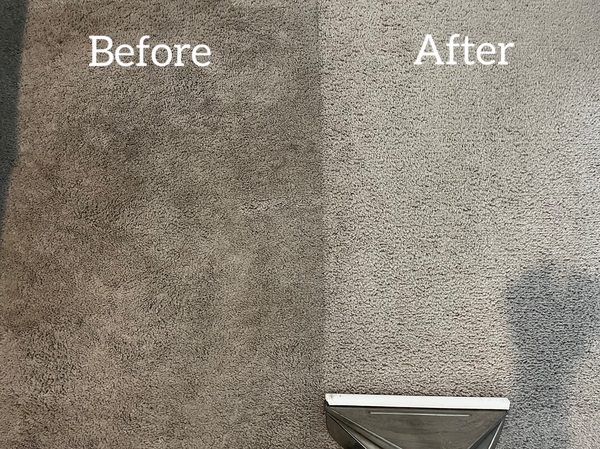
Food and drink spills can be more unpredictable. Coffee, soda, wine, and other spills may come out extremely well, but the longer a substance remains in the carpet, the more difficult it can become.
Pet stains are another common issue we encounter. With pet accidents, we're not always dealing with a simple surface stain. Urine can penetrate through the carpet and potentially reach the padding underneath. Older pet accidents can therefore be more difficult to completely remove, particularly when odor has also become an issue.
Then there are substances that can actually change the color of the carpet.
If a harsh chemical or inappropriate cleaning product has removed or altered the carpet's dye, professional cleaning cannot simply put that color back.
A substance sitting on the carpet may be removable. A carpet fiber that has been permanently damaged or discolored is a different problem.
How Much Does the Age of a Stain Matter?
Age definitely matters, but it isn't the only factor.
When we look at an old stain, one of the first things we want to know is what caused it.
We also want to know what happened afterward.
Was it treated immediately? Was it scrubbed aggressively? Were multiple cleaning products applied? Was a rental machine used? Did the spill soak deep into the carpet?
All of these things can affect the outcome.
A fresh spill is generally easier to address because there has been less time for it to penetrate and interact with the carpet fibers. An older stain may have had months or years to become deeply embedded.
However, I've also seen very old stains respond surprisingly well to professional cleaning.
That's why I don't recommend assuming a stain is permanent simply because it has been there for a long time.
One of the Biggest Mistakes: Using the Wrong Cleaning Product
One of the most common mistakes I see homeowners make is reaching for a strong household cleaning product when they discover a stubborn stain.
I completely understand why people do it. You see a stain, you want it gone, and you grab whatever cleaner you already have at home.
The problem is that many household products aren't designed for carpet.
The wrong product can leave behind residue, damage the carpet fibers, or create a permanent bleached or discolored appearance.
I've seen situations where we're no longer dealing with just the original stain. We're also dealing with the effects of whatever was used in an attempt to remove it.
Another common mistake is aggressive scrubbing.
It may seem logical that scrubbing harder will remove more of the stain, but excessive rubbing can damage carpet fibers and change the appearance of the affected area.
For a fresh spill, I generally recommend removing any solid material, then using a clean towel to blot up as much moisture as possible.
Blot—don't scrub.
If you have a carpet-specific cleaning product that is appropriate for your carpet, follow the manufacturer's directions carefully. If you're unsure what you're dealing with, especially with a large or serious spill, calling a professional early is usually the safer option.
Can Professional Cleaning Remove Pet Stains?
Pet stains deserve special attention because they're one of the most common reasons homeowners call us.
We've cleaned homes with multiple dogs or cats where there were numerous pet accidents throughout the carpet.
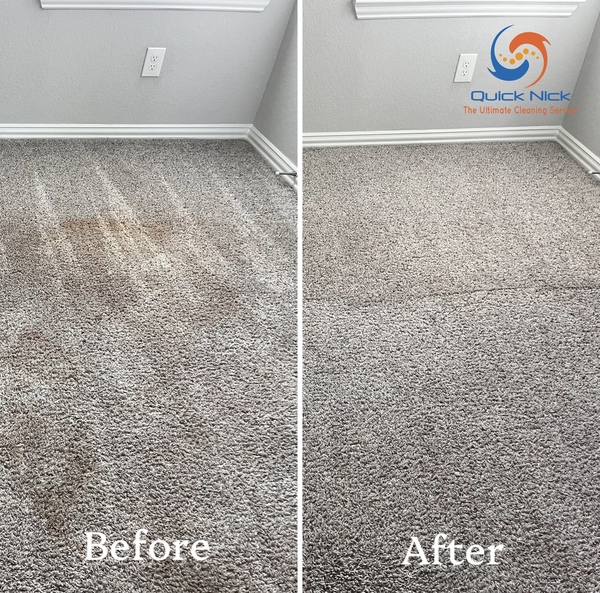
Our process typically starts with identifying the affected areas and applying an enzyme treatment designed to help break down organic contamination. We then follow that treatment with hot water extraction.
The results can be excellent, but older pet accidents can be more complicated.
If urine has soaked into the padding underneath the carpet, cleaning the carpet itself may not completely address the contamination below it. That's one reason treating pet accidents as soon as possible is so important.
The sooner you address a fresh accident, the better your chances of getting the best possible result.
What About Filtration Lines?
There's another type of discoloration that homeowners sometimes mistake for a stain: filtration soiling.
You may have seen dark or gray lines along the edges of a room, around baseboards, underneath doors, or along the perimeter of carpeted areas. These are particularly noticeable on light-colored carpet.
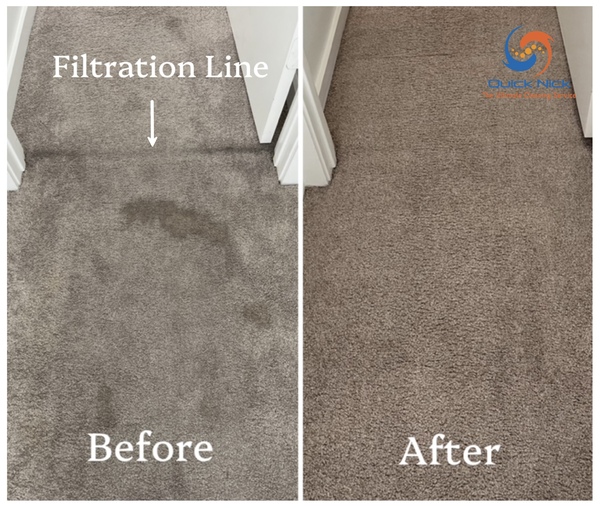
Filtration lines can develop when airborne particles are pulled through small gaps around the edges of the carpet. Dust, cooking oils, smoke, and other fine particles can accumulate in those areas over time.
We've seen this many times in older homes.
Sometimes professional cleaning can make a significant improvement. Other times, filtration soiling can be extremely stubborn because of the type of fine particles that have accumulated over a long period.
The important thing to understand is that these dark lines aren't necessarily evidence that someone spilled something along the edge of the carpet.
They're often the result of years of airborne soil being deposited in areas where air naturally moves through the carpet.
What About Marks Where Furniture Has Been Sitting?
Move an old couch or heavy piece of furniture and you may suddenly notice that the carpet underneath looks completely different from the carpet surrounding it.
This is especially common with older carpet.
Sometimes the difference is primarily from dirt and traffic. The carpet underneath the furniture has been protected from foot traffic, while the exposed carpet has spent years collecting dirt and being walked on.
Once the furniture is moved, the contrast can be dramatic.
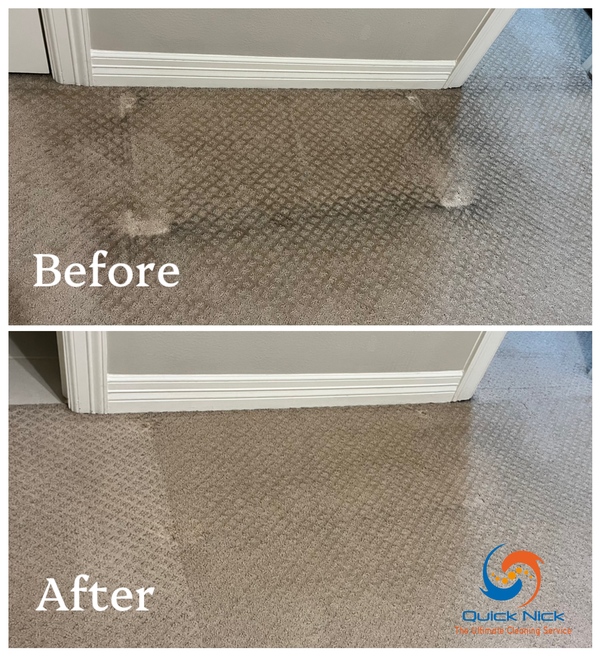
Professional cleaning may significantly improve the exposed carpet and reduce the difference in appearance.
But furniture can also cause physical changes to carpet.
Heavy furniture can compress the carpet pile over a long period of time, leaving indentations or areas where the fibers no longer stand the same way as the surrounding carpet.
Cleaning can remove soil, but it cannot necessarily restore carpet fibers that have been permanently compressed or worn.
The same applies to changes caused by years of sunlight, foot traffic, abrasion, or general aging.
This is why a professional carpet cleaner needs to distinguish between something that needs to be cleaned and something that has permanently changed the carpet.
How Can You Tell If a Stain Is Permanent?
Sometimes it's obvious, but other times it isn't.
A professional cleaner will look at the color, texture, location, type of carpet, and surrounding areas to determine what may be causing the discoloration.
If the carpet is simply dirty, there's a good chance cleaning can make a significant difference.
If a chemical has altered the carpet's dye, cleaning isn't going to restore the original color.
If heavy furniture has compressed the fibers, cleaning may remove dirt but won't necessarily restore the original pile.
If years of foot traffic have physically worn the carpet fibers, cleaning can't reverse that wear either.
This is why I don't like making promises before seeing the carpet.
A professional should be able to tell you what they believe is realistically possible rather than guaranteeing that every stain will disappear.
How Much Improvement Should You Expect From an Old Stain?
This is where I think homeowners need realistic expectations.
There isn't an honest percentage that applies to every stain.
We've had stains improve dramatically—sometimes to the point where they're extremely difficult to notice.
We've also encountered stains that improved significantly but remained partially visible.
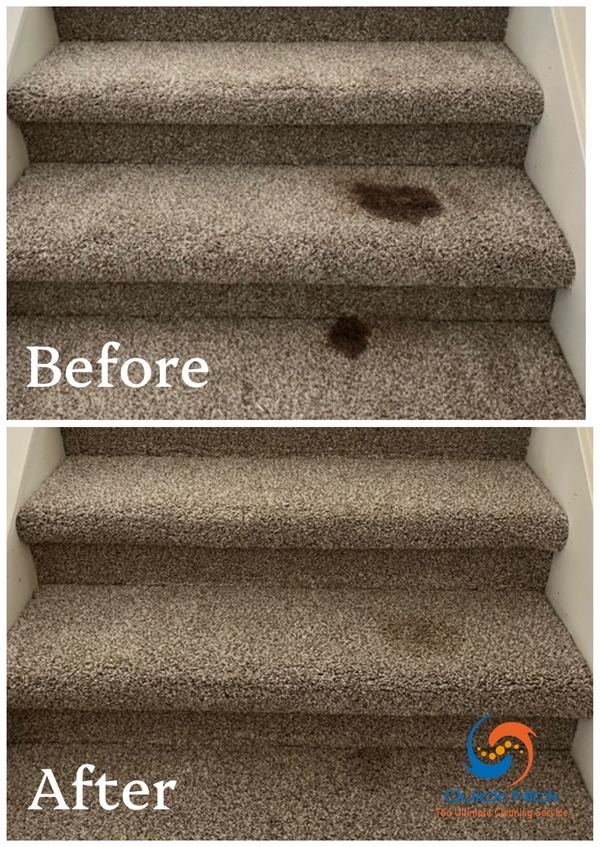
And occasionally, we come across discoloration that simply isn't going to come out because the carpet itself has been permanently altered.
Our goal isn't to make unrealistic promises. It's to get the carpet as clean as possible and achieve the best result the carpet will allow.
Sometimes that means a stain disappears completely.
Sometimes it means a dramatic improvement.
And sometimes it means explaining to the homeowner that what they're seeing isn't actually something that cleaning can remove.
I'd much rather set realistic expectations and exceed them than promise perfect results and disappoint a customer.
What Should You Do If You Spill Something Today?
If you have a fresh spill, don't wait months to see what happens.
Start by carefully removing any solid material from the carpet.
Then use a clean, absorbent towel to blot up as much liquid as possible.
Again, blot—don't scrub.
You want to remove the spill rather than push it deeper into the carpet.
If you have a carpet-specific spot treatment that you're confident is safe for your carpet, you can use it according to the product's directions.
But be careful about experimenting with household cleaners.
If the spill is large, involves something difficult to remove, or you're simply unsure what to do, calling a professional sooner rather than later can give you a better chance of getting the stain out.
What Should You Look for in a Professional Carpet Cleaner?
If your primary concern is stain removal, don't simply choose the company with the lowest advertised price.
Look for an experienced, trustworthy company with plenty of real customer reviews.
I'd also ask what cleaning method they use and what type of equipment they bring into your home.
We use truck-mounted hot water extraction, which combines high heat, cleaning solution, thorough rinsing, and powerful vacuum extraction.
The equipment matters, but experience matters too.
A good carpet cleaner should understand that different stains require different approaches and that not every discoloration is actually removable.
Most importantly, they should be willing to tell you when something may not come out.
That's part of being honest with the customer.
So, Can Professional Carpet Cleaning Remove Old Stains?
Yes, professional carpet cleaning can remove many old stains—and the results can sometimes be dramatic.
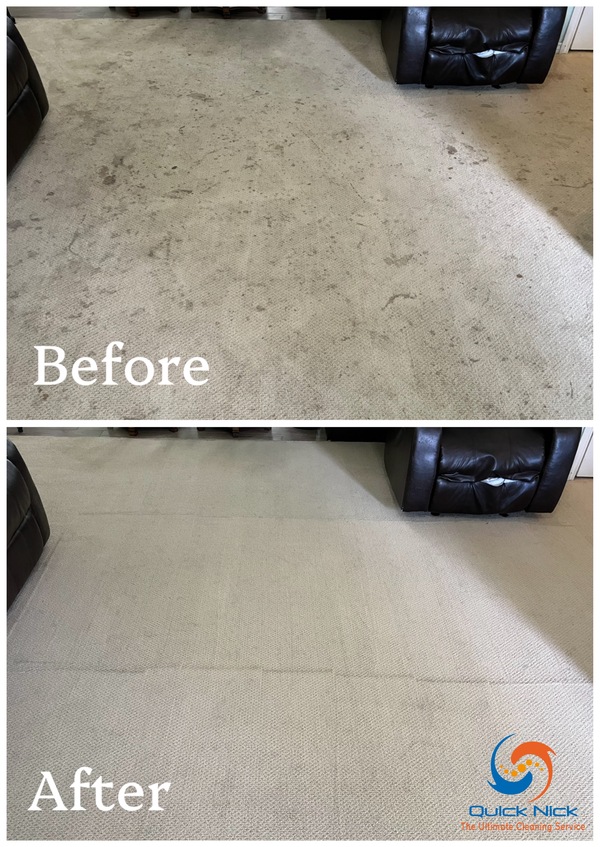
But whether a particular stain comes out depends on much more than its age.
The type of stain, carpet fiber, depth of contamination, previous cleaning attempts, and condition of the carpet all play a role.
We've seen old, heavily soiled carpets transform after professional cleaning. We've also seen stains and discoloration that couldn't be completely removed because the carpet itself had been permanently changed.
That's why there are no honest guarantees that every old stain will disappear.
If you have an old stain you've been living with for years, don't automatically assume the carpet needs to be replaced.
Professional cleaning may be able to improve it far more than you expect.
And if it can't, an experienced carpet cleaner should be able to explain why—and help you understand what your realistic options are.